
Our Professional Graphic Installation Companies are located throughout the USA, and now Mexico! Use our interactive search to find an installer near you.
Table of Contents
Add a header to begin generating the table of contents
Find a UASG 3M Certified Graphics Installer Near You
A vehicle wrap is one of the quickest ways to change the look of your car or brand a fleet without committing to new paint.
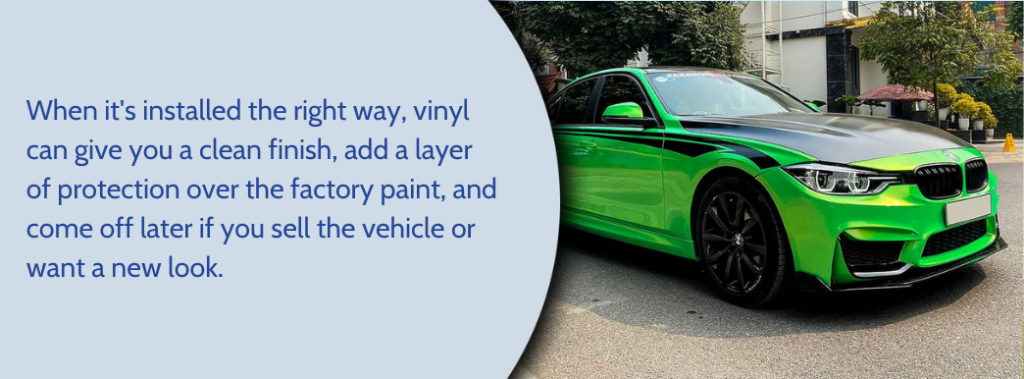
But wraps aren’t all the same.
The final result depends on the film quality, the prep work, and the installer.
A good wrap lies smooth, holds clean edges, and wears predictably. A bad wrap can lift, bubble, or show every flaw underneath.
In this guide, we’ll break down the real pros and cons so you can decide if a wrap makes sense for your vehicle and your goals.
What Is a Car Wrap and How Does It Work?
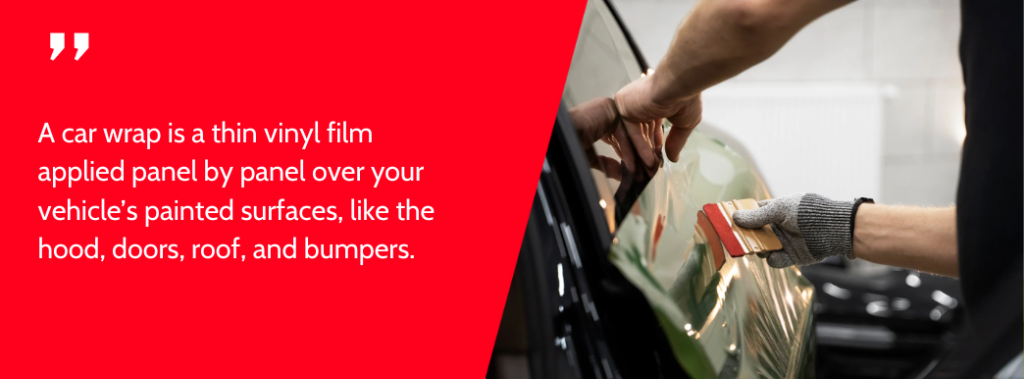
It can change the color, add graphics, or turn your vehicle into a rolling billboard without permanently changing the factory paint. Think of it like a fitted jacket for your car: the paint stays underneath, and the wrap is what everyone sees.
Modern wrap film is made to stretch and conform to curves and body lines. Installers use heat and squeegees to lay the vinyl down smoothly, tuck it into edges, and get clean coverage even on tricky spots.
People use wraps for all kinds of reasons. You might wrap your car to go from plain white to matte black, or to add a fun design that stands out. Business owners wrap vans and trucks with logos and contact info so every drive doubles as advertising. Bigger companies use wraps to keep a whole fleet looking consistent, and promo wraps are great when you want attention for an event or launch.
Pros of Wrapping a Car (and Fleet)
Car wraps went from a niche option to a mainstream choice over the last decade or two. Vinyl quality improved, installation techniques got more refined, and wraps became a practical alternative to paint for everyday cars, work vans, and full fleets.
The real advantages show up in the details. Below, we’ll break down where wraps tend to make the most sense, and why so many owners and businesses choose them over a traditional paint job.
Cost Advantages
A high-quality paint job is expensive, and it adds up quickly. A full vehicle wrap is often much less for a comparable visual transformation, and you avoid many of the labor-heavy steps that come with paint, like extensive masking, long drying time, and curing.
That difference matters even more for fleets. Repainting 10 commercial vans can turn into a major expense once you include labor and downtime. Wraps let you stagger installs, keep more vehicles in rotation, and still end up with a clean, consistent look across the fleet.
Picture a catering company with older white delivery vans. The paint has faded, the logo looks dated, and the vehicles don’t match anymore. Painting every van would cost more and keep vehicles out of service longer. Wrapping lets them refresh the fleet, maintain operations, and create a brand presence that looks intentional and professional.
Design Flexibility and Branding Power
This is where wraps really stand apart. Paint can look great, but it has limits. Wraps let you do solid color changes, textured finishes, and detailed graphics without turning the project into a custom paint job.
For business vehicles, that flexibility is a big advantage. You can clearly display your logo, services, phone number, and service area, and the vehicle works as advertising everywhere it goes.
A local electrician is a good example. A well-designed wrap with strong branding and clear contact details gets seen at job sites, in traffic, and parked in driveways. That kind of visibility can create real marketing value from vehicles that would otherwise blend in.
Partial Wrap Options for a Lower Budget
Not every wrap has to be a full wrap. If you want the marketing value without the full cost, partial wraps can still work really well. You can wrap the sides and rear, keep the hood or roof stock, and still get strong visibility on the road.
This is a practical option for fleets, too. You can standardize a consistent design across multiple vehicles while keeping the project within budget.
Easy Updates for Growing Businesses
Branding changes faster than vehicles do. Maybe you add a new service line, change your phone number, update your logo, or buy a few new vans that need to match the rest of the fleet. Wraps make those updates straightforward. You can rewrap one vehicle, refresh a single panel, or apply a new design across the fleet without committing to another full paint job.
This matters most for businesses that grow in stages. You can keep the fleet looking consistent even as you add vehicles over time, and you can update the look without starting from scratch.
Protecting the Paint Underneath
A properly installed wrap also acts as a protective layer over your paint. It takes the everyday wear, so your factory finish does not have to. That includes sun exposure, light scratches, small chips, bird droppings, and tree sap.
It’s not the same as paint protection film, which is designed specifically for impact protection. But a wrap still helps reduce day-to-day wear. And when a wrap is installed over sound paint and removed properly later, the paint underneath often looks noticeably better than an unprotected vehicle of the same age.
That can support resale value, too. Many buyers prefer well-preserved factory paint, and a wrap can help keep it in better condition over time. For leaseholders, it can also reduce the risk of end-of-lease charges tied to paint wear, so long as the lease allows it.
Faster Turnaround and Less Downtime
Downtime is expensive, especially for service businesses. Paintwork often takes longer because it involves more prep and a curing window. Wraps are usually quicker, and once the wrap is finished, the vehicle is ready to drive right away.
That’s a major reason wraps are popular for plumbers, HVAC techs, electricians, delivery services, contractors, and so many other businesses.
Reversible and Lease Friendly
Unlike paint, a wrap isn’t permanent. If your preferences change, your branding updates, or you need to return a leased vehicle in its original color, the wrap can be removed, and the factory finish is still there.
This also makes wraps a great fit for short-term promotions. You can run a campaign for a year or two, remove the wrap, then apply a new design. Even for long-term vehicle owners, that flexibility matters. It gives you room to change direction later without being locked into a permanent finish.
Cons and Limitations of Car Wraps
Car wraps can look amazing, but they aren’t the perfect answer for every vehicle or every owner. They have a limited lifespan, can get messed up if they’re treated like paint, and the final result depends a lot on who installs it and what the paint looks like underneath. If you go in with the right expectations, you’ll avoid most of the frustration people run into.
It’s also worth saying this clearly: most wrap horror stories come from cheap vinyl or rushed installs. A solid shop using proper automotive wrap film and doing the prep correctly is a totally different experience. Still, even a great wrap has limits, and those limits should be part of your decision. Here are some more details on these things and more:
Limited Lifespan Compared to Paint or PPF
If your vehicle stays garaged, you wash it gently, and you’re not parking in direct sun all day, you can potentially get even longer use.
That’s simply shorter than factory paint, which can stay presentable for ten to fifteen years with decent care. Paint protection film can also last longer in many cases, and it’s designed for protection first rather than a full appearance change.
The environment makes a big difference. Constant sun exposure will age vinyl faster, and the bonnet, roof, and other horizontal surfaces usually show it first. Lots of highway miles can speed up wear too, since the front end takes more hits from road debris. Once you’re past year three, it’s smart to keep an eye out for early wear like fading or edges starting to lift, because small fixes are easier than dealing with old, brittle vinyl later.
Risk of Peeling, Bubbling, and Visible Seams
Wrap issues usually show up in the same places: edges and tight areas like door handles, mirrors, panel gaps, and deep recesses. If the surface prep wasn’t thorough or the vinyl was stretched too aggressively during installation, those areas can start lifting over time. Once that happens, dirt and water can work underneath, and it’s much harder to keep things looking clean.
Some vehicles may need seams or inlays, especially around complex bumpers, sharp curves, or aftermarket body kits. A skilled installer can place seams in less noticeable spots and keep them clean, but you may still notice them if you’re looking closely. That’s not always a problem, but it’s worth talking through ahead of time if you want the most seamless look possible.
How you care for the wrap matters too. High-pressure washing aimed at the edges can push water under the film and start peeling. Automatic car washes with stiff brushes can scratch the surface and dull the finish. Rough snow or ice removal can tear vinyl. Even a great install can’t hold up forever if the wrap gets handled hard.
Sensitivity to Cheap Materials and Poor Installation
This is where most wrap regret comes from. There’s a lot of vinyl out there that isn’t true automotive wrap film, and cheap material usually looks fine at first, then goes downhill fast. It may not conform well to curves, it can fade or crack early, and it can leave adhesive behind when it’s removed. In the worst cases, it can pull up paint underneath.
Prep shortcuts are just as risky. If a shop skips decontamination, installs over wax or silicone residue, or wraps over paint that hasn’t fully cured, adhesion problems become much more likely. And when a wrap fails early, removal can be messy, especially if the underlying paint is already weak.
Low-budget installs also tend to show their shortcuts. Trim and handles don’t get removed when they should. Cuts and overlaps stand out more. Edges aren’t tucked cleanly. Bubbles get missed. Those details don’t just affect how the wrap looks; they usually shorten its lifespan too. That’s why it’s important to work with a 3M certified graphics installation company that has proven its expertise.
Wraps Aren’t Indestructible Protection
A wrap does add a protective layer, but it isn’t the same as paint protection film when maximum protection is the goal. Wrap vinyl is thinner and softer, so it helps with UV exposure and light wear, but it won’t stop serious stone chips the way PPF can.
Deep scratches, sharp impacts, and parking lot scrapes can still cut through vinyl and damage the paint underneath. Wraps are great for reducing day-to-day wear, but they’re not a shield against everything. Chemicals matter too. Fuel spills, strong solvents, and harsh cleaners can stain or degrade the film if they sit too long, so you’ll want to clean spills quickly and use wrap-safe products.
Some owners combine both options by putting PPF on high-impact areas and using a wrap for the color change or branding. If you want protection and a new look, that approach can work really well.
Car Washes and Cleaning Limits
Car wraps need a different kind of washing than paint. Automatic car washes are the big one to watch out for. Brush washes can leave swirl marks, dull the finish, and catch edges, especially around panel gaps, mirrors, and bumpers. Even touchless washes can be rough if they use very strong chemicals or high pressure aimed at edges.
If you want the wrap to last, hand washing is the safest option. Use a gentle soap, soft microfiber, and avoid blasting water directly into seams, edges, or tucked areas. Also, do not wash the vehicle right after installation. Giving the wrap a few days to fully set helps prevent lifting, especially on tighter areas.
Legal and Insurance Considerations
Depending on where you live, a major color change wrap might require updating registration information so the recorded vehicle colour matches what’s on the road. It doesn’t come up everywhere, but it’s worth checking if you’re going from something like white to bright red or black. But this would be an issue with both traditional paint and vinyl, so no difference there.
Insurance is worth thinking about, too, especially for commercial wraps. A detailed wrap can cost real money to replace after an accident, and not every policy automatically covers full wrap replacement. If you’re wrapping a fleet or investing in a high-value design, it’s smart to ask your insurer how that’s handled.
How Car Wraps Compare to Traditional Paint
Paint and wraps can both look great, but they’re built for different goals. If you know what you’re trying to achieve, the choice usually gets pretty clear.
Paint is the better fit when you want a permanent change, and you want it to feel truly factory, with a seamless finish and no edges or film to maintain. It’s also the go-to option for high-end restorations where durability over the long haul and perfect finish quality matter most.
A car wrap makes more sense when you want flexibility. It’s great for reversible style changes, bold graphics, and fleet branding. It’s also a strong option if you want to change the look while helping protect the original paint underneath, especially if you might sell the vehicle later or you just want the option to switch things up.
Some people use both. A classic car might be painted, then get paint protection film on the front for chip protection, plus a partial wrap for racing numbers or vintage sponsor logos. A new car owner might wrap the vehicle right away, enjoy a totally different look, then remove the wrap years later to reveal factory paint that still looks fresh.
When Paint Still Makes Sense
Paint is still the right call in a few common situations, and it usually comes down to one thing: the surface underneath has to be solid.
If a vehicle has damaged paint, heavy oxidation, or peeling clear coat, a wrap isn’t going to fix that. Vinyl needs a stable paint to bond to. Wrapping over failing paint usually means the wrap won’t adhere reliably, and it can create bigger problems when it’s time for removal. In those cases, proper body repair or a respray is the smarter investment.
Paint also makes sense for show cars, restorations, and collector vehicles that are meant to be kept long term. If the goal is a seamless finish and durability measured in decades, a high-end paint job is still the standard. Wraps can look excellent, but they’re not built to replace that kind of permanent finish.
Another time paint wins is when you’re doing small, localized repairs. If you’re touching up a bumper after a minor collision or blending a replaced panel, targeted paintwork is usually more practical than rewrapping large sections of the vehicle.
Wraps aren’t a replacement for paint in every situation. They’re a different tool, and they’re best when the vehicle’s paint is in good shape, and the owner wants flexibility, branding, or a non-permanent change.
Is Wrapping a Car Worth It? Summary
A vehicle wrap can be absolutely worth it when you want a high-impact look or professional branding without making a permanent change. It’s also a smart option if you like the idea of keeping your factory paint protected underneath while you enjoy a fresh new finish on top. Wrap technology has come a long way, and when the materials and installation are solid, the results can look incredibly clean and hold up well for years.
Wraps make the most sense for vehicles with paint that’s still in good shape. You get the visual upgrade, you keep the original finish in better condition, and you’ve got flexibility later if you sell the vehicle or want to change the design. For business owners, that value multiplies fast. A wrapped fleet doesn’t just look more professional; it also turns every job site and every mile on the road into marketing.
That said, wraps aren’t ideal for every situation. If the paint is severely damaged, peeling, or failing, it needs repair before wrapping makes sense. If you want a solution that you can set and forget for a decade or more, quality paint may be the better fit. And if your top priority is maximum chip protection over visual change, paint protection film can be a better match. The biggest deciding factor is quality. Learn more about whether vehicle wraps damage paint here.

That’s why working with a 3M UASG-certified installation company matters. They’ll help you avoid the common failure points and give you clearer expectations and support.
If you’re on the fence, the best next step is a quick inspection and quote from a certified installer. They can check your paint condition, talk through film options, and give you a realistic picture of cost, timeline, and longevity based on how you actually use your vehicle.
Working With a 3M Certified Installer
A wrap is only as good as the install. Even great vinyl can fail if the prep is rushed or the edges aren’t set right. The difference between a wrap that looks clean for years and one that starts lifting early usually comes down to who installs it.
If you want extra confidence, look for a 3M-certified graphics installation company. That certification means you’re working with installers who’ve passed specific qualification tests, keep up with ongoing training, have at least three years of experience, and follow a strict code of conduct. In plain English, you’re narrowing your search to people who take the craft seriously and sweat the details.
That matters even more on modern vehicles with tight panel gaps, complex bumpers, sensors, and lots of trim. The best installers know where wraps tend to fail, and they build the job around preventing those issues from day one, not chasing them after the fact.
When you’re comparing installers, look for a few basics:
- A strong portfolio, including close-up photos of edges, corners, and bumpers
- Clear info on the exact film they’re using, not just “vinyl.”
- A clean indoor install space, since dust and debris show through wraps
- A written estimate that spells out what’s included and what the removal looks like later
- For fleets, a plan to keep the design consistent across multiple vehicles and install dates
Want to work with a certified installer? Find a 3M UASG-certified graphics installation company near you and get rolling on your wrap project. Whether you’re upgrading your personal vehicle or wrapping a full fleet, you’ll be starting with installers who know how to deliver a clean, professional finish.
Frequently Asked Questions About Car Wraps
Will wrapping my car void the manufacturer’s warranty?
Usually, no. A properly installed wrap on sound factory paint typically won’t void your vehicle’s warranty. That said, paint, corrosion, or bodywork coverage could get complicated if damage happens during installation or removal. If you want to be extra safe, check with your dealer and work with an experienced, certified installation company that can show they follow proper processes.
Can I wrap a brand-new car straight from the dealership?
Yes, and plenty of owners do it to protect factory paint from day one. The main thing is prep. The vehicle should be cleaned and inspected, and any dealer-applied waxes, sealants, or protective films need to be removed so the vinyl can bond correctly. The installer should be able to take care of this. It’s also smart to note any factory defects before the wrap goes on. A new vehicle in great shape is one of the best candidates for wrapping.
Is it possible to wrap over small scratches or stone chips?
Sometimes. Light marks in the clear coat can often be wrapped over after minor prep. Deeper chips that expose bare metal, any rust, or flaking paint should be repaired first. Those issues can show through the vinyl, and they can also cause adhesion problems that lead to early lifting or failure. Fixing problem areas before wrapping usually saves money and frustration later.
Can I wrap only part of my car, like the roof or mirrors?
Yes, partial wraps are very common. They’re used for styling, accents, and commercial graphics all the time. A roof wrap can change the look without doing the whole vehicle, and smaller accents like mirrors can add a custom touch. For business vehicles, partial wraps can put branding where it matters most while keeping the rest of the vehicle original. It’s also a nice way to try wrapping before committing to a full vehicle wrap.

What is The
United Application
Standards Groups
The UASG is a national network of graphic installation companies. Our members are committed to installing your jobs better, on-time, within budget, as expected, and representing your company professionally.
Our Mission
To establish the standards for the graphics installation trade by cultivating quality, integrity, professionalism, reliability, and comradery among members.
Our Promise
To organize and promote the professionalism of graphics installation companies.



Professional Recognition
& Certification
& Certification
Our standards are the highest in the industry. We're the benchmark for graphic installation excellence in fleet wraps, full & partial wraps, interior & exterior environmental graphics (including floor & rough textured walls) and virtually every other branding application.

A Nationwide Network
of Professionals
of Professionals
UASG member companies are industry professionals with ten, twenty, thirty years’ experience that can provide experienced application services for vehicle wraps, window decals, wall graphics, boat wraps and just about anything graphic film will adhere to.

Providing The Best
In The Industry
In The Industry
The UASG has personally visited every member's business to view their operations and installation practices as part of the membership process. The UASG members have gone to 3M headquarters in St. Paul, MN and passed both a hands on and written test.